
Linkinwise Technology logoLINKINWISE Technology

LINKINWISE / Explore

INDUSTRY SOLUTIONS

Six industries, one technology foundation.

Education, agriculture, enterprise, senior care, healthcare and culture & tourism: five core technologies combined per industry.

01 / INDUSTRY

Education

Turn real engineering practice into courses, lab environments and teacher development for schools and universities.
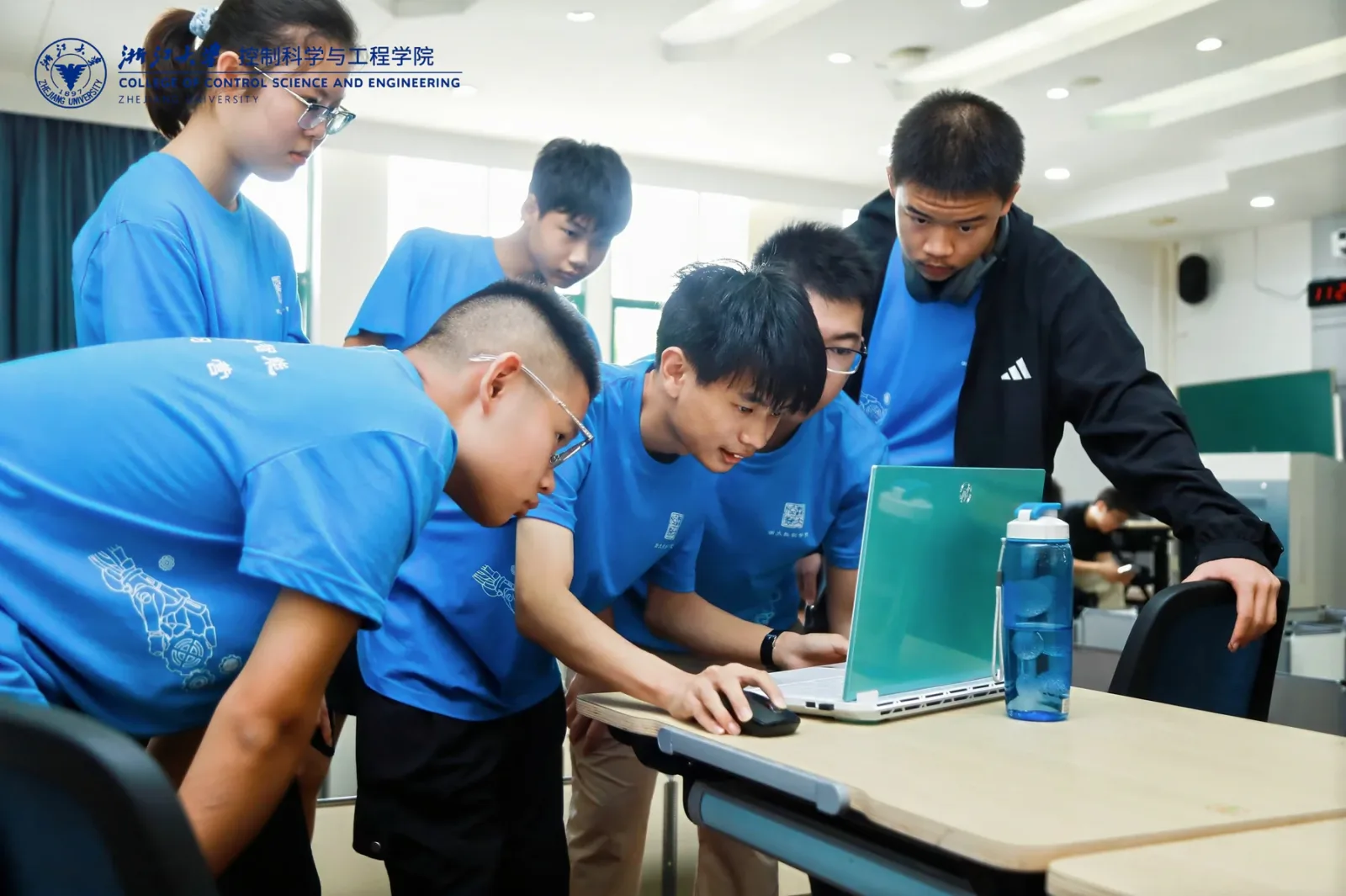
Team-based robotics practice with on-site instruction
WHO WE SERVE

Universities, vocational colleges, K-12 schools, training providers and enterprise learning teams

The challenge

  • Course content is disconnected from engineering practice
  • Integrated training lacks hardware and software environments
  • Teaching teams need ongoing technical and project support

Deliverables

  • Curriculum and teaching materials
  • Lab and training platforms
  • Teacher and student training
  • Project-based learning
Core technologies
  • Data Governance
  • AI Intelligence
  • Digital Twin
Explore education

02 / INDUSTRY

Agriculture

Connect equipment, sensing, data and field execution for planting, crop protection, irrigation and crop monitoring.
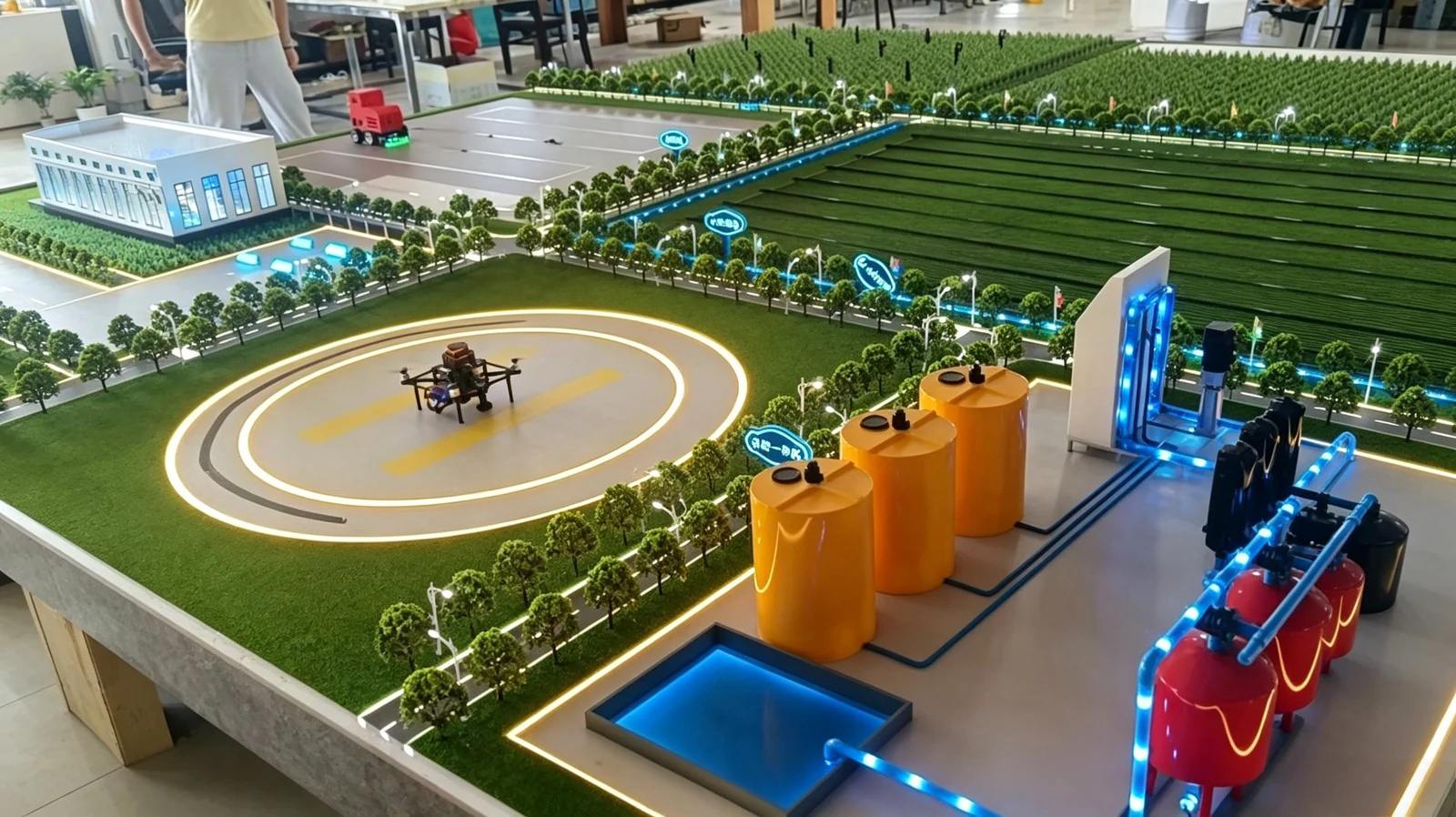
System integration and demonstration at a smart agriculture project site
WHO WE SERVE

Agricultural parks, growing bases, farm machinery companies and agriculture project owners

The challenge

  • Devices and data remain isolated
  • Field operations depend on manual experience
  • Prototypes cannot run reliably in the field

Deliverables

  • Crop sensing and device access
  • Intelligent irrigation and environment control
  • Agricultural data platform and governance
  • Operations supervision and digital twins
Core technologies
  • Resource Access
  • Data Governance
  • AI Intelligence
  • Execution Control
  • Digital Twin
Explore agriculture

03 / INDUSTRY

Enterprise

Build data platforms, business systems and workflow-embedded AI applications for operations and production coordination.
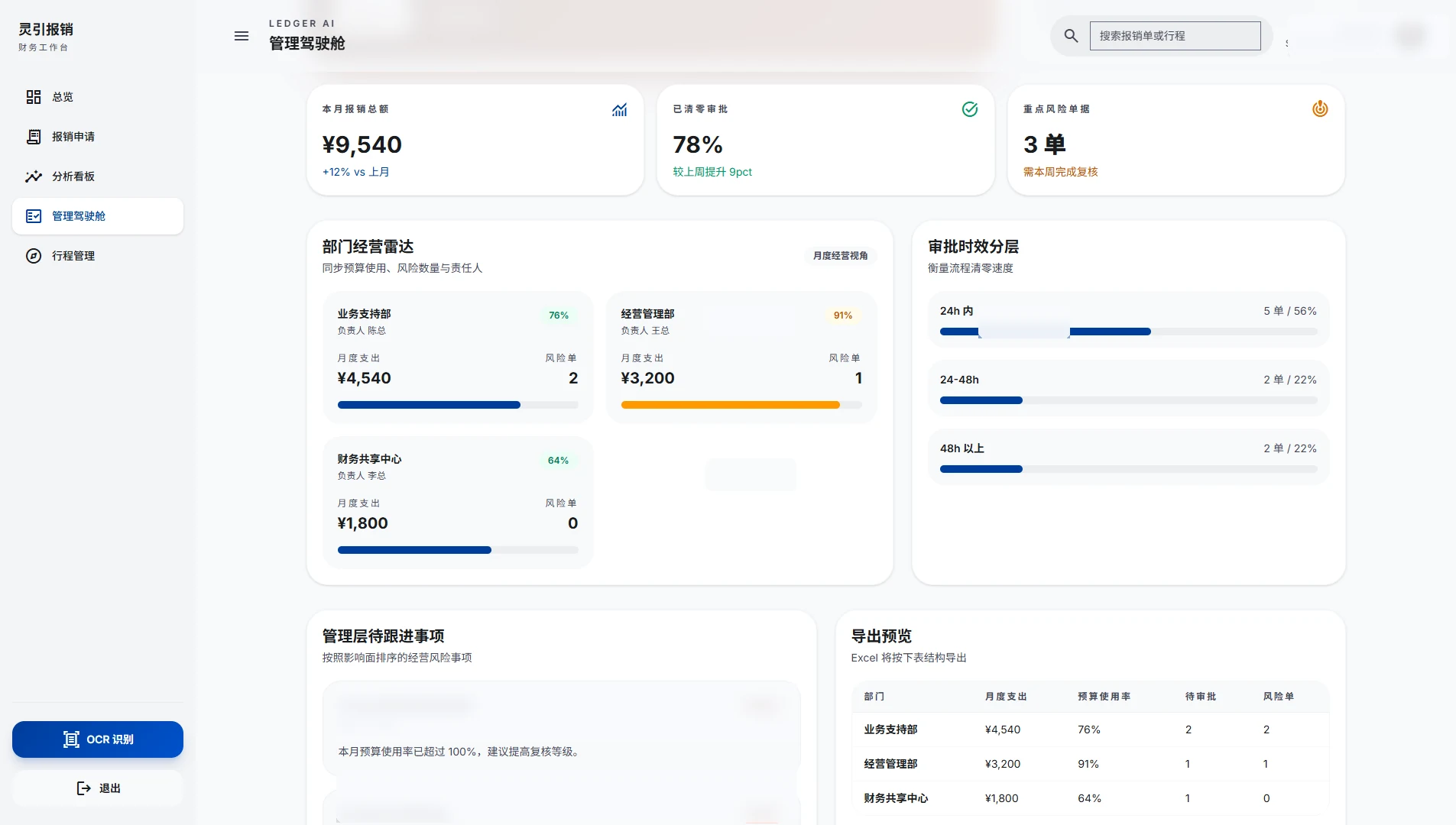
Management dashboard of an enterprise expense collaboration system
WHO WE SERVE

SMEs, industrial parks, group IT and digital transformation teams

The challenge

  • Business data is scattered across systems
  • Processes rely on manual work and spreadsheets
  • AI capabilities cannot connect to existing systems

Deliverables

  • Business systems and unified workspaces
  • Data governance and metrics
  • AI applications and agents
  • Operations analysis and visualisation
Core technologies
  • Resource Access
  • Data Governance
  • AI Intelligence
  • Digital Twin
Explore enterprise

04 / INDUSTRY

Wellness & Senior Care

Build state sensing, anomaly alerts and human-service coordination for home and institutional elderly care.
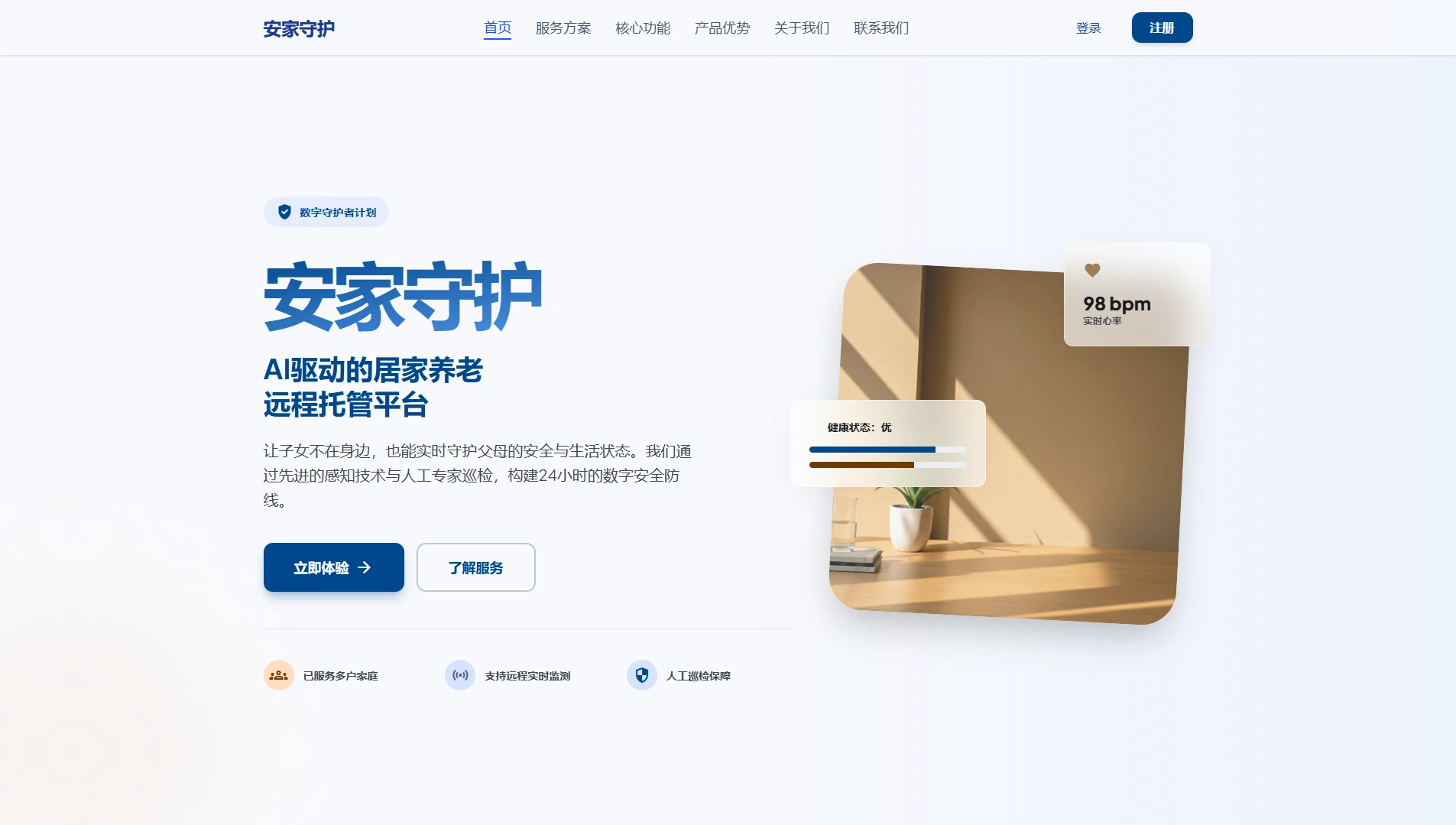
Overview interface of a home care guardian solution
WHO WE SERVE

Care providers, home-care services, senior living communities and solution partners

The challenge

  • Status monitoring is disconnected from service response
  • Alerts lack a human follow-up loop
  • Service delivery is hard to record and review

Deliverables

  • State sensing and anomaly alerts
  • Platform dispatch and inspection coordination
  • Health information management
  • Service records and evaluation
Core technologies
  • Resource Access
  • AI Intelligence
  • Execution Control
  • Digital Twin
Explore senior care

05 / INDUSTRY

Healthcare

Explore human-machine collaboration for health monitoring, information coordination and assistive services.
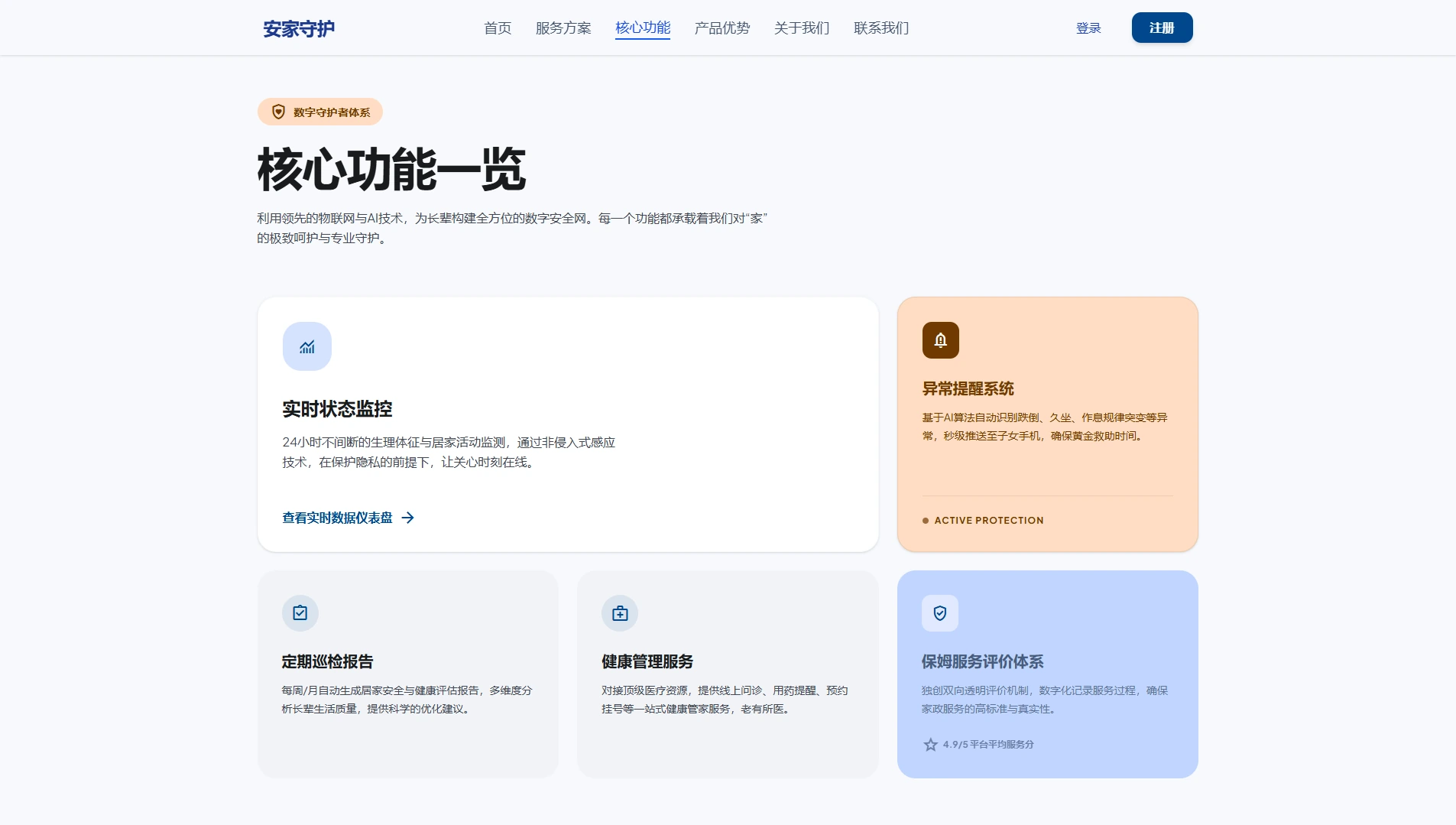
Feature interface of a home health monitoring and service platform
WHO WE SERVE

Health management providers, healthcare IT partners and assistive service teams

The challenge

  • Health data is fragmented and inconsistently defined
  • Assistive services lack continuous records
  • System capabilities are hard to align with clinical workflows

Deliverables

  • Health data access and governance
  • Monitoring and alerting
  • Assistive service information platform
  • Human-machine collaboration validation
Core technologies
  • Resource Access
  • Data Governance
  • AI Intelligence
  • Digital Twin
Explore healthcare

06 / INDUSTRY

Culture & Tourism

Use 3D reconstruction, visualisation and intelligent interaction to build visible, manageable digital spaces for venues and destinations.
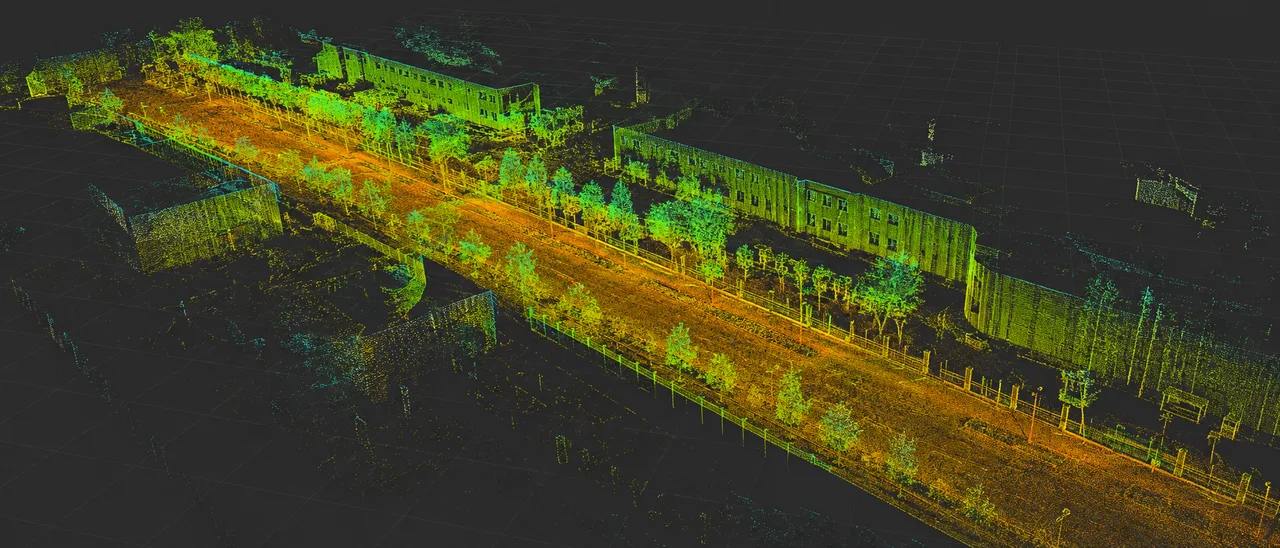
SLAM mapping and 3D scene reconstruction output
WHO WE SERVE

Venue and destination operators, culture and tourism project owners, event and technology partners

The challenge

  • Physical spaces lack reusable digital assets
  • Operations data is separated from visitor experience
  • Interactive content is hard to maintain over time

Deliverables

  • 3D scene reconstruction
  • Spatial and operational visualisation
  • Intelligent guidance and interaction
  • Ongoing content and data maintenance
Core technologies
  • Data Governance
  • AI Intelligence
  • Digital Twin
Explore culture & tourism

CORE TECHNOLOGY

Five core technologies, one foundation.

Each technology has a clear engineering output, and together they form one chain from resource access to digital twins.

Resource AccessIngest

Connect equipment, sensors, business systems and third-party platforms into one dependable data entry.

  • ROS2
  • IoT protocols
  • Device SDKs
  • API integration

Data GovernanceGovern

Unify definitions, clean and model data, and manage permissions so it stays trustworthy and reusable.

  • Data modelling
  • ETL
  • Data quality
  • Access control

AI IntelligenceDecide

Combine algorithms, models and agents to understand tasks and produce recognition, prediction and decisions.

  • Computer vision
  • LLMs
  • Agents
  • Algorithm tuning

Execution ControlExecute

Turn decisions into stable, real-time and verifiable device actions and business process execution.

  • MCUs
  • Edge computing
  • Motion control
  • Workflow engines

Digital TwinMirror

Map real objects in 3D and visualise them to support monitoring, simulation and operations.

  • 3D modelling
  • Visualisation
  • Simulation
  • Real-time rendering

HOW WE DELIVER

From scenario definition to delivery.

  1. 01

    Understand the scenario

    Map equipment, operating conditions, target tasks, and current constraints.

  2. 02

    Define the system

    Set module boundaries, data paths, technical combinations, and acceptance criteria.

  3. 03

    Validate the prototype

    Test the most important risks through algorithms, simulation, or a minimum system.

  4. 04

    Integrate and test

    Connect hardware and software, then test on the target equipment and environment.

  5. 05

    Deploy and deliver

    Complete deployment, documentation, necessary training, and acceptance.

  6. 06

    Continue improving

    Use operating feedback to improve stability, capability, and maintainability.

Projects & results ↗