
Embodied intelligence and service robotics
Multimodal situational awareness, safe navigation, robot vision and systems integration, forming a complete perception-to-execution chain.
LINKINWISE / CREATOR
Eighteen years of study and work abroad, combining AI, robotics, engineering management and cross-institution collaboration. During his doctorate he took part in Singapore's National Robotics Programme and the Toyota HSR service robot project, gaining experience in robot vision, systems integration, intelligent control and engineering deployment. He now focuses on embodied intelligence education, ROS2 curricula, AI literacy education, robotics competitions and university-enterprise joint AI and robotics laboratories.
Senior lecturer in embodied intelligence | University teacher in AI and robotics | Systems integration
PROFILE
Development path
Civil engineering with a minor in computer engineering
Organising a major rail transit project, quality and safety
Service robots, multimodal perception and safe navigation
Courses, projects, competitions, research and industry collaboration
Core capability structure
Multimodal situational awareness, safe navigation, robot vision and systems integration, forming a complete perception-to-execution chain.
Turns Linux, ROS2 communication, URDF, Gazebo, RViz, Nav2, robot vision and real tasks into courses, labs and competition projects.
Requirement breakdown, solution design, version management, field testing, quality and safety, risk control and multi-party coordination.
Applied translation and technical collaboration across public services, building inspection, smart agriculture, disaster rescue, elderly care and engineering education.
EXPERIENCE
Listed in reverse chronological order.
2025—present
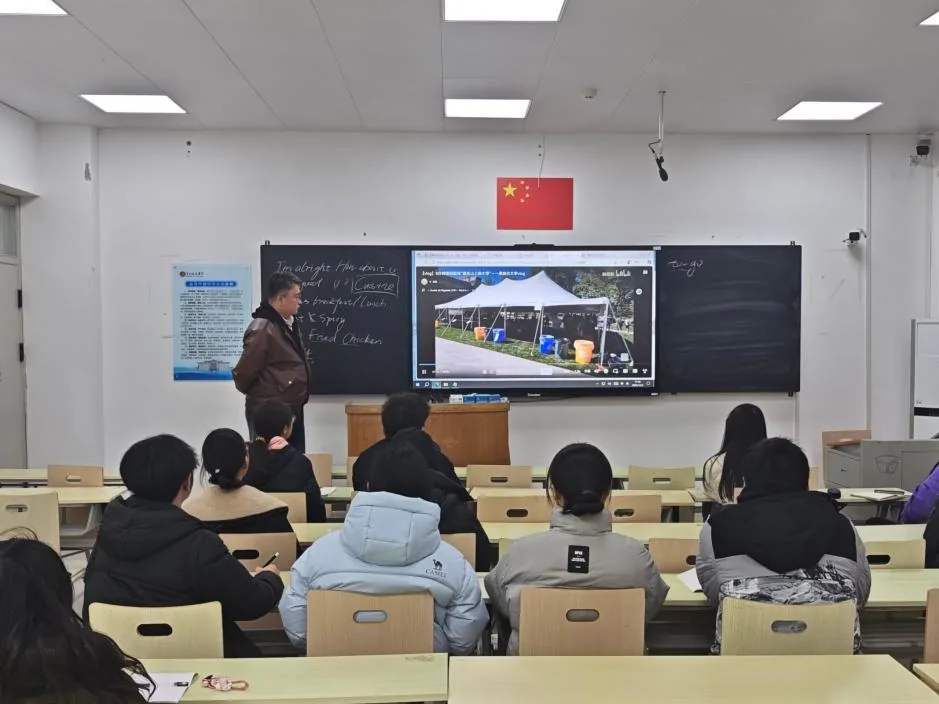
University teaching, embodied intelligence education and engineering translation
2023—2024
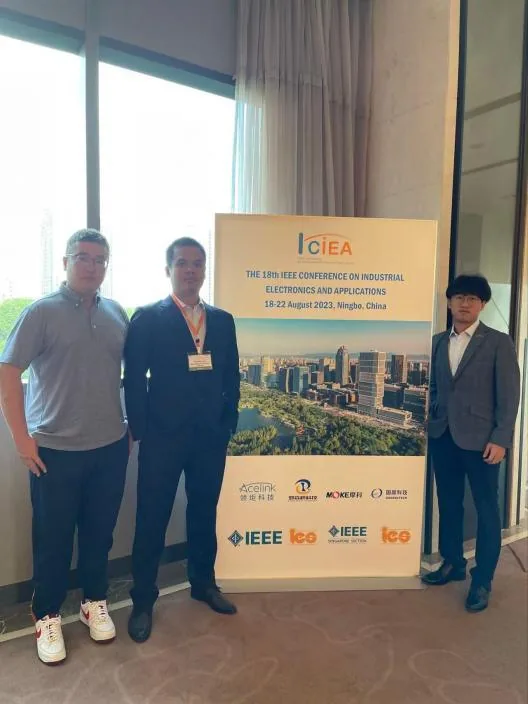
Robotics, systems integration and application translation
2018—2023
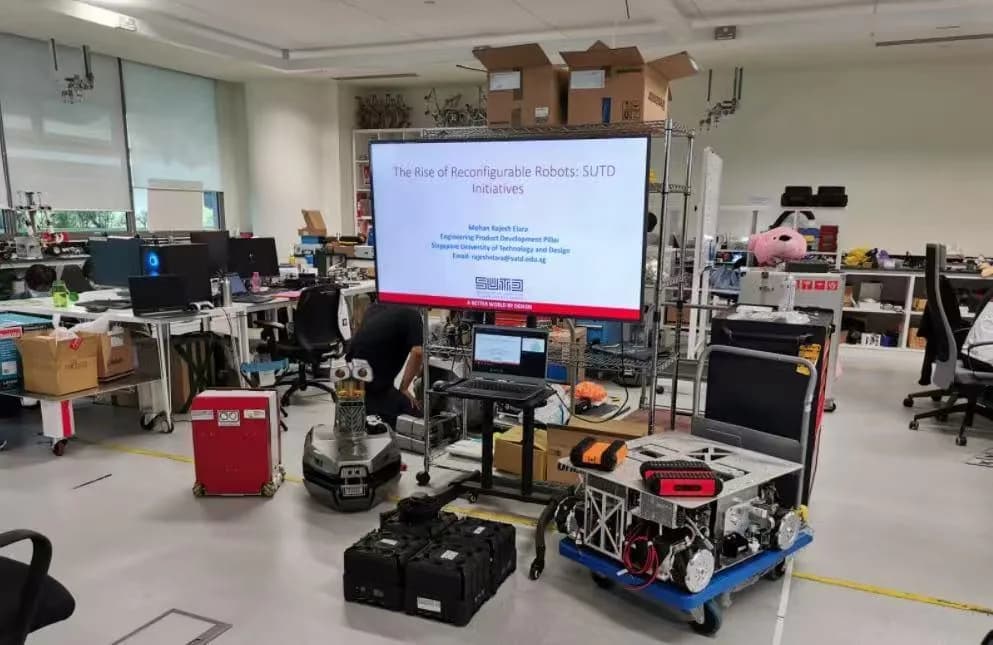
Doctoral research in service robotics and multimodal situational awareness
2014—2018
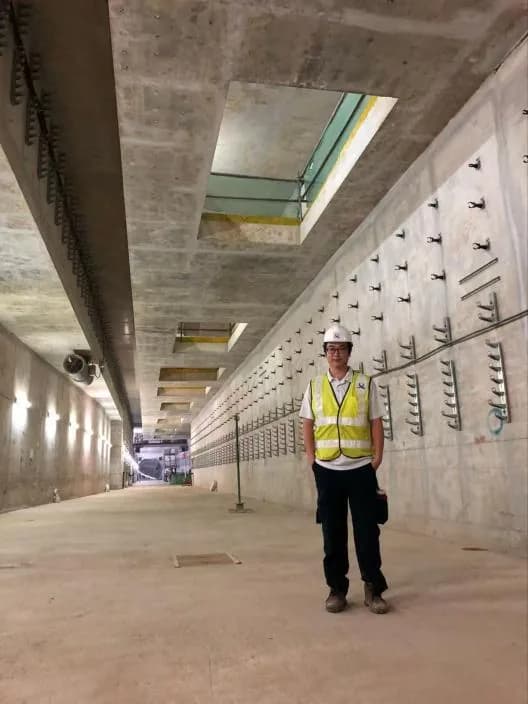
Site management and multi-party coordination for a major rail transit project
2010—2014
Civil engineering major with a minor in computer engineering
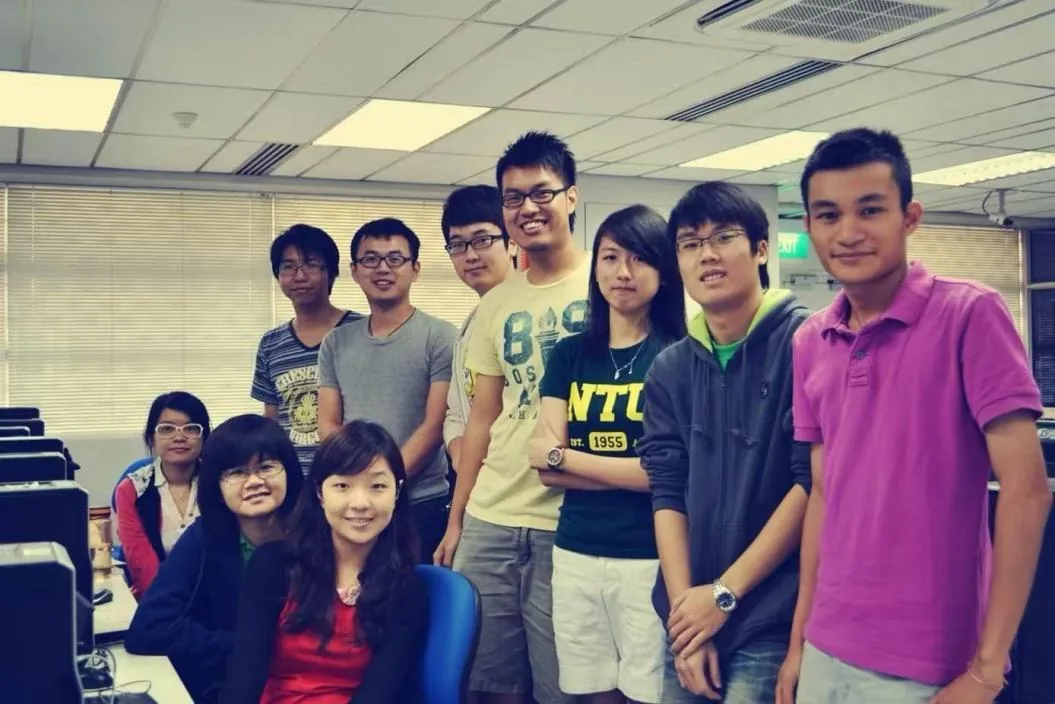
2010
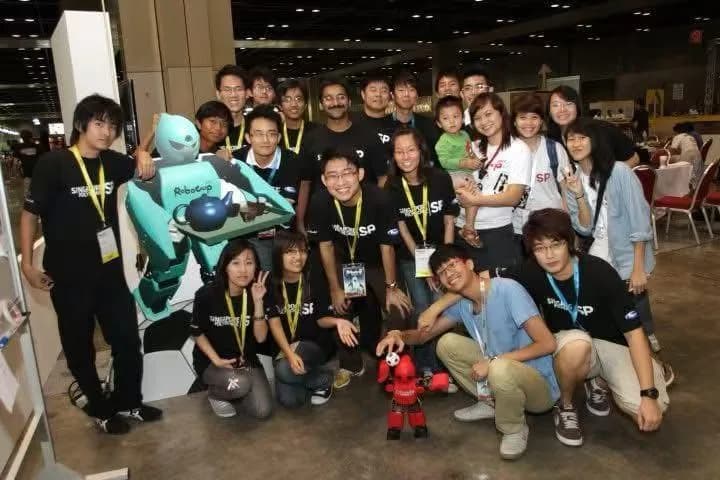
RoboCup domestic service robot competition
WORK
Representative work
Tabletop waste recognition, RGB-D 3D localisation, cleaning path planning and door handle detection, with the mobile base and manipulator executing together — a closed loop from perception to operation.
For low-feature or occluded hazards such as escalators, stairs and glass doors, contextual, visual and depth information are fused for hazard recognition and safe distance estimation.
Sound event detection and source direction localisation identify hazard areas and drive coverage path replanning, so the robot actively avoids risk under low light and occlusion.
Organising knowledge into courses, labs, competitions and real projects, moving students from using tools to completing engineering tasks.
Collaboration directions
Multimodal perception, short-horizon prediction, risk modelling and robot decision making.
Public services, elderly care, building inspection, smart agriculture and disaster rescue.
Curricula, lab projects, teacher training and engineering practice platforms.
Robot interfaces, edge controllers, navigation and real-robot validation.
An integrated chain of courses, projects, competitions, research and industry.
Scenario mapping, technical solution design and joint development.
RESEARCH
Research foundation
Long-term research in embodied intelligence, service robotics, robot vision, multimodal situational awareness, safe navigation and robot systems integration. He received his doctorate in Engineering Product Development from SUTD in 2023; his thesis concerned situational awareness and autonomous operation of cleaning robots in complex public environments.
During his doctorate he worked on the Toyota HSR human support robot and the BELUGA autonomous mobile cleaning robot: visual and RGB-D perception, recognition of low-feature and occluded hazards, acoustic event detection and source localisation, safe distance estimation, path planning and physical validation — a complete chain from data collection and algorithm development to ROS integration and real-scene testing.
Key doctoral research projects
Key enabling robotics technologies, perception capability and systems integration for recognition, interaction and task execution in complex environments.
Robot vision, task understanding, environment adaptation, system coordination and validation in real scenarios.
Led vision algorithm optimisation and systems integration; recognition accuracy for common household items rose from about 80% to about 90%, supporting recognition, picking and handing tasks.
Organised and led teams at international robotics events; led vision system development in the RoboCup 2010 domestic service category, where the team placed sixth among 26 international university teams.
Representative results
Sensors 2023Context-enhanced hazard detection and safe navigation
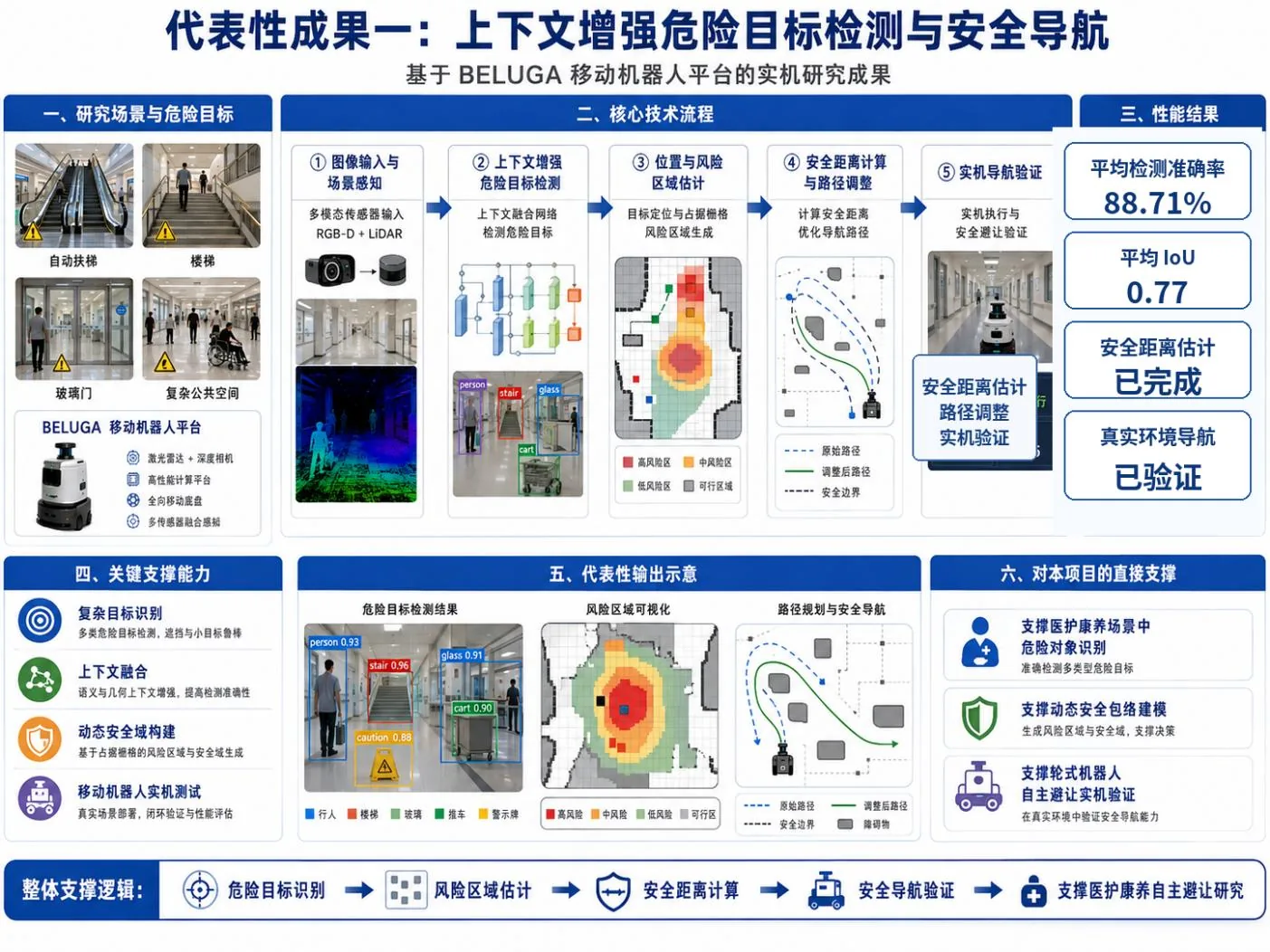
Relevance to this project: This foundation transfers low-feature hazard recognition to joint perception of associated objects — the elderly, wheelchairs, walkers, IV stands and hospital beds; extends static safety distance into a dynamic safety envelope combining relative speed, braking capability, prediction uncertainty and object fragility; and continues the real-robot loop where detection results drive navigation behaviour, validating slow-down, wait, detour and stop strategies.
Mathematics 2023Hazard area avoidance via acoustic situational awareness
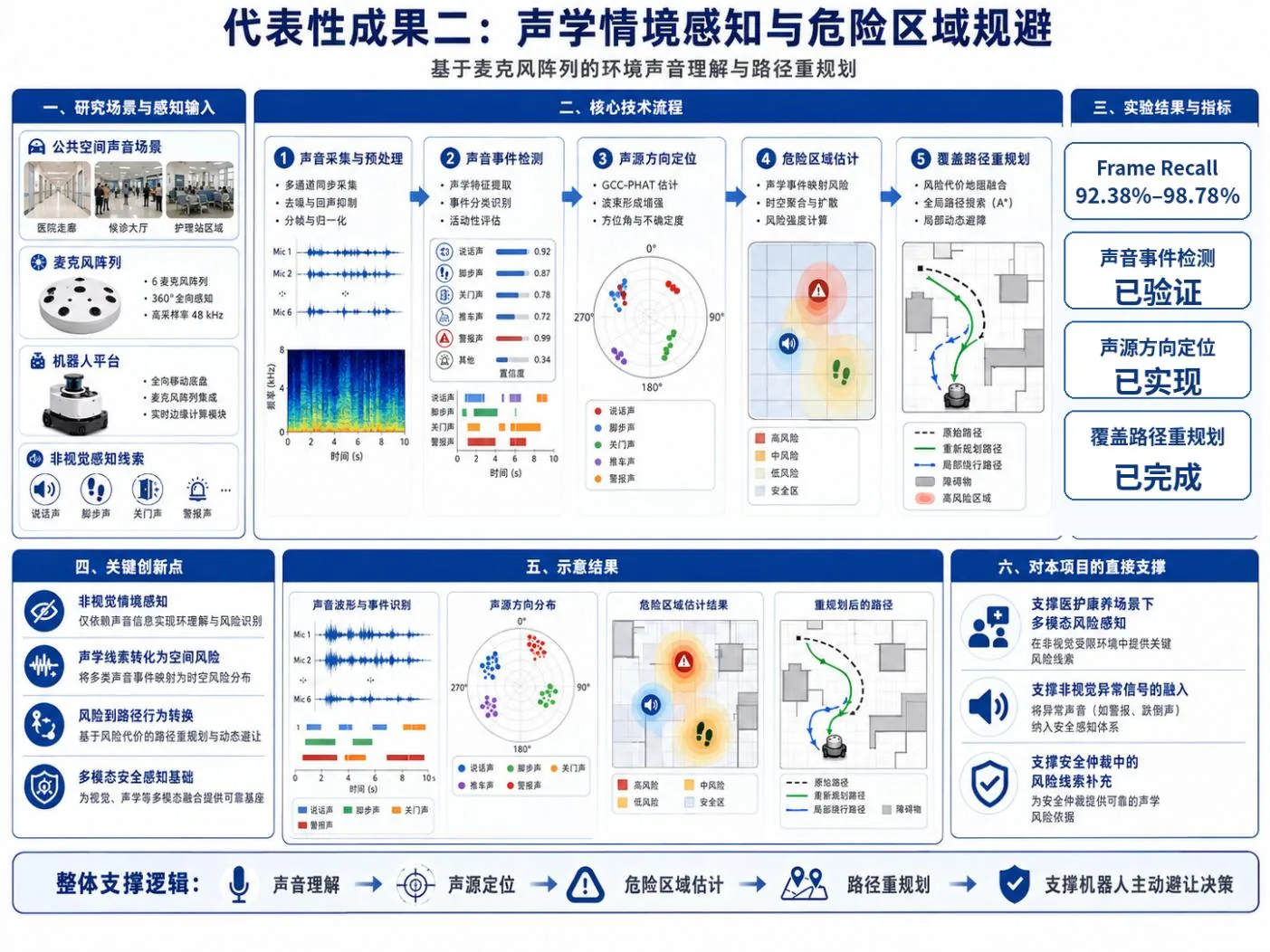
Relevance to this project: It extends single-vision obstacle avoidance into multimodal safety awareness: when the RGB-D camera is occluded, in low light or field-limited, sound events, source directions and environmental anomalies serve as supplementary risk cues. The situational-awareness–risk-region–path-replanning logic writes collision risk and prediction uncertainty into the local cost map and safety-control constraints, giving the safety arbiter multi-source grounds to choose slow-down, wait, detour or stop.
Visual perception, 3D localisation and coordinated execution for service robots
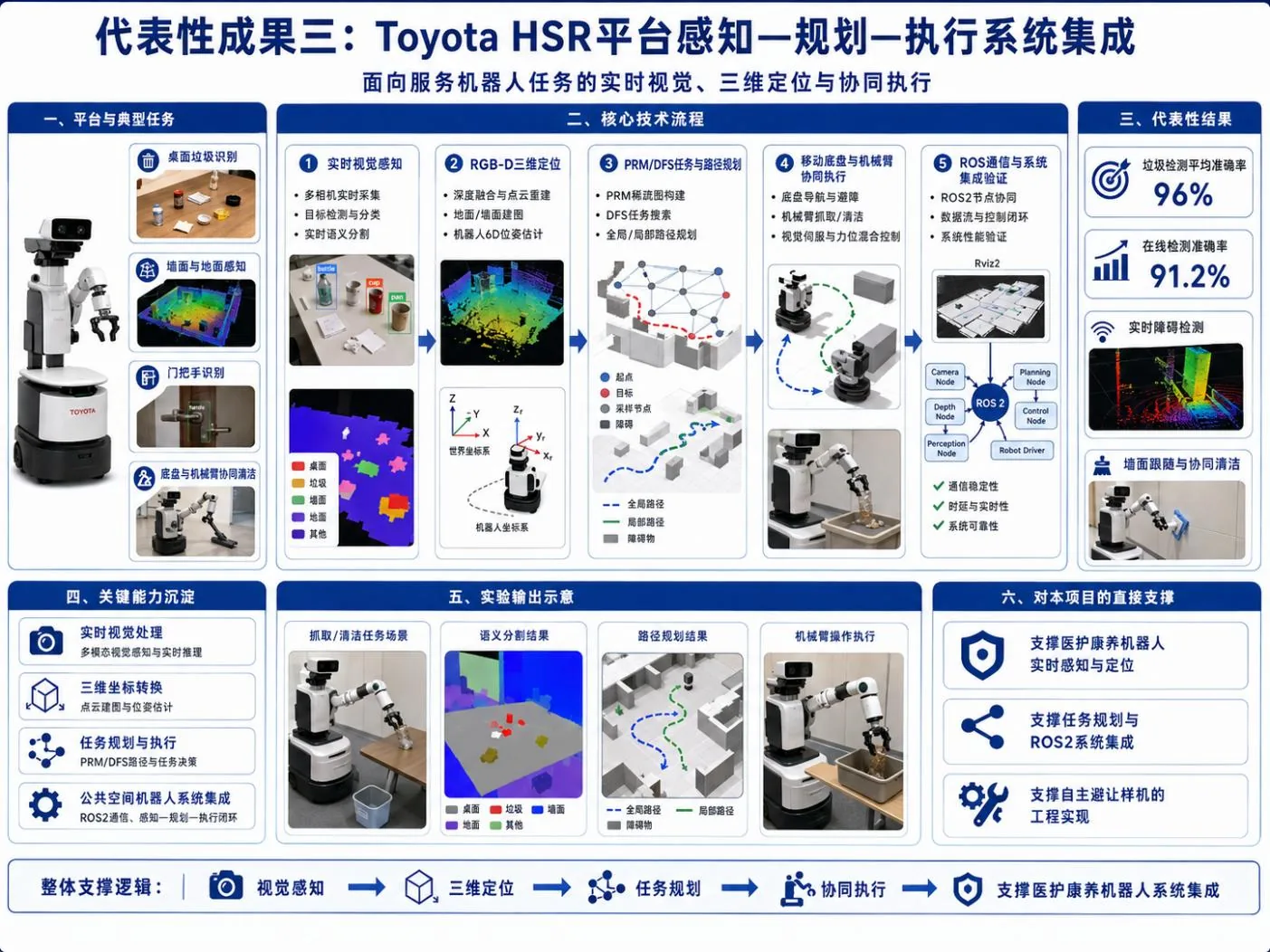
Relevance to this project: This foundation directly supports the engineering realisation of the edge safety controller, the ROS 2 safety middleware, the wheeled-robot validation prototype and small-scale trials in assisted-care settings. Together the three earlier results form a progression from algorithm to system, from single modality to multimodality, and from risk recognition to robot behaviour adjustment.
LET'S BUILD SOMETHING USEFUL
Tell us about your equipment, workflow or learning goals. We will help define the next step.